

Endodontics in White Plains, NY
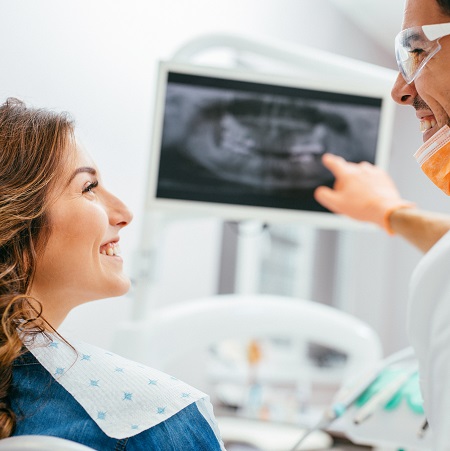
Expert Root Canal Treatment Near You — No Referral Needed
If you’ve been told you need a root canal—or you’re dealing with a throbbing toothache that won’t quit—you want answers fast, not a two-week wait and a referral to a stranger across town. At Dental Group of Westchester in White Plains, NY, you get something most dental offices can’t offer: an in-house endodontist in White Plains, Dr. Firas Marsheh, working alongside your general dentist under one roof.
Whether you’re searching for an endodontist near you, need an urgent root canal in White Plains, or simply want to understand your options before deciding what to do next, this page covers everything—clearly, without the jargon, and without sending you somewhere else to find out more.
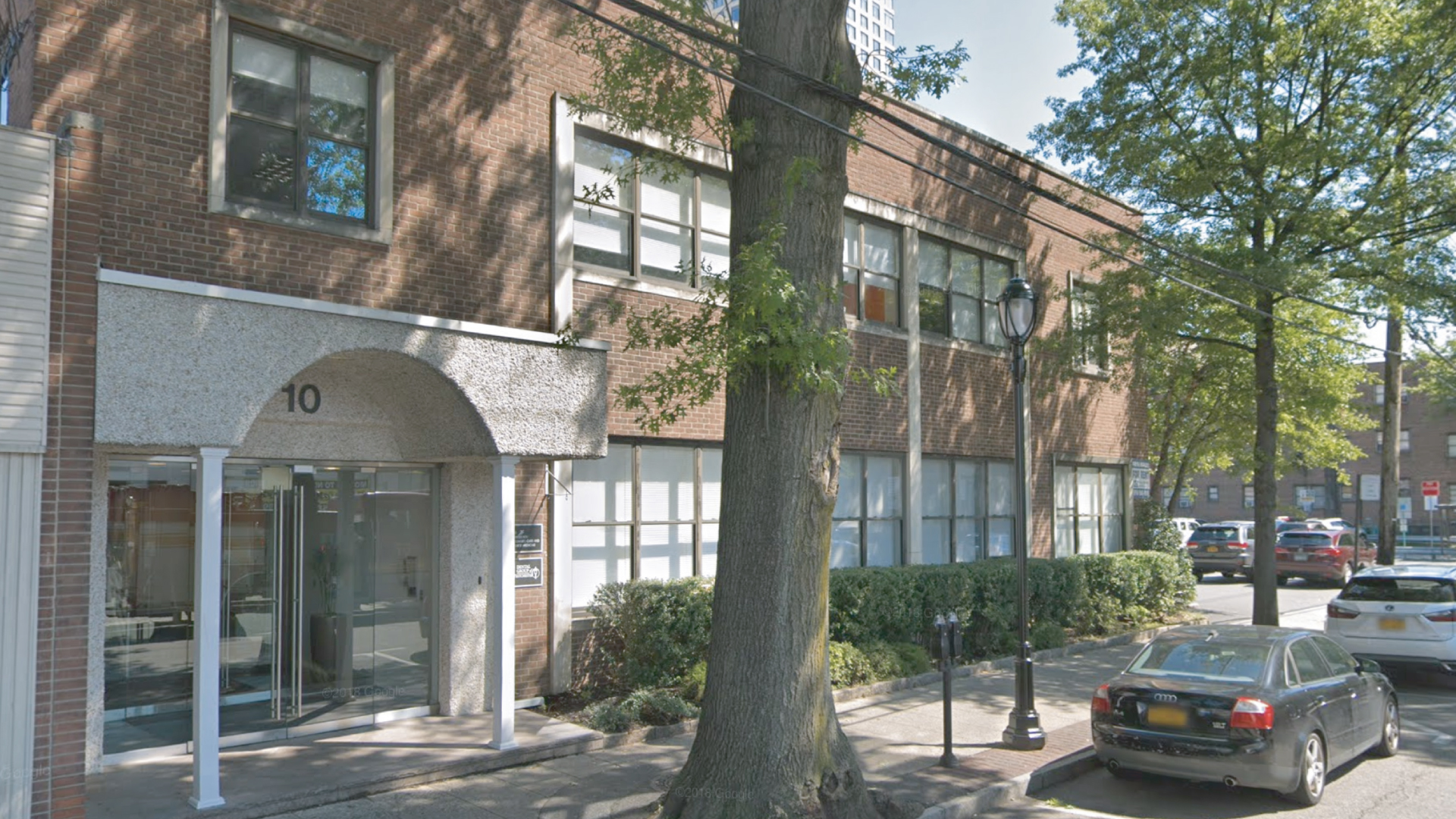
Experiencing tooth pain? You don’t need a referral. Our in-house endodontist, Dr. Firas Marsheh, is available right here in White Plains—at the same location, with the same team, and no extra trips. Call or text us at (914) 683-5203 to schedule your appointment. Our dental office is located at 10 Mitchell Place, Suite #102, White Plains, NY 10601.
What Is an Endodontist — and Do You Actually Need One?
An endodontist is a dentist who has completed two to three additional years of specialty training beyond dental school, focused exclusively on diagnosing and treating problems affecting the inside of the tooth—the pulp, the root canals, and the surrounding bone. Think of your general dentist as your primary care physician. An endodontist is your specialist.
Here’s a stat worth knowing: while a general dentist might perform two root canals a week, an endodontist performs 25 or more. That volume of experience, combined with advanced tools like dental operating microscopes, CBCT 3D imaging, and rotary endodontic systems, is why specialists tend to achieve better success rates on complex or difficult cases.
You may need to see an endodontist—or ask for one—if you’re dealing with:
- Severe or persistent tooth pain, especially when biting or applying pressure
- Sensitivity to heat or cold that lingers after the source is removed
- Swelling or tenderness in the gums near a specific tooth
- A darkening or discoloration of a tooth
- A pimple-like bump on the gum (called a fistula or sinus tract)
- A tooth that was injured, cracked, or has had multiple dental procedures
- A previous root canal that needs retreatment because the infection has returned
Not every toothache means a root canal, and not every root canal means a specialist. But when the case is complex, a second opinion from an endodontist near you can be the difference between saving your tooth and losing it.
Why Choose Dental Group of Westchester for Endodontic Care?
Several endodontists serve the White Plains and Westchester County area. So what makes Dental Group of Westchester different? The short answer: convenience, specialization, and a level of comprehensive care that specialty-only offices simply can’t match.
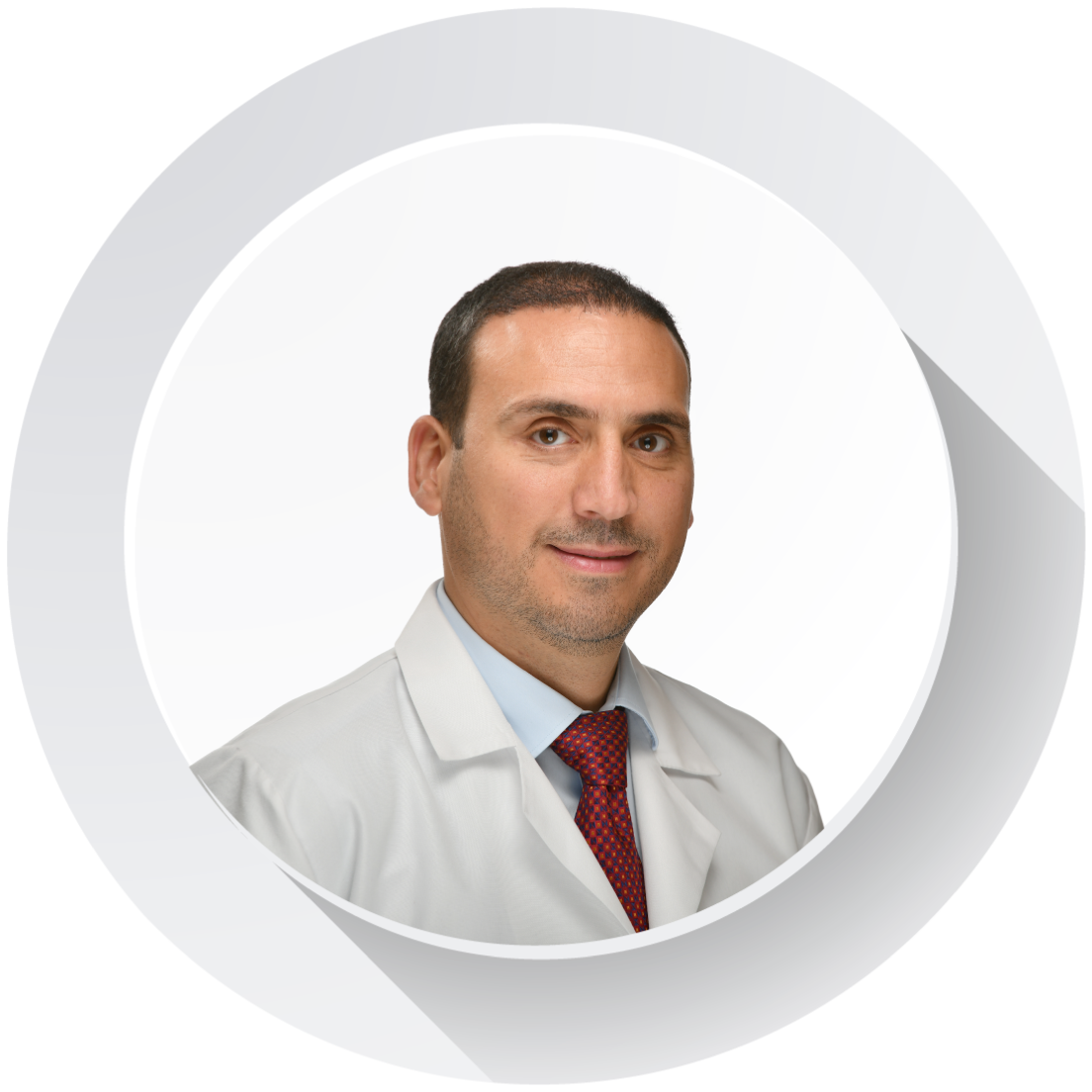
Most general dental practices refer you out when you need a root canal. That means a phone call, a new intake form, a drive to an unfamiliar office, and often a wait of days or weeks. At Dental Group of Westchester, Dr. Marsheh is already here. You can go from diagnosis to treatment in the same visit, in the same building, with the same team that already knows your dental history. That’s a meaningful advantage when you’re in pain.

Dr. Marsheh isn’t just an endodontist—he’s one of the few practitioners who has formally researched dental anxiety and its effect on endodontic treatment. He conducted that research at New York University, where he also earned his Doctorate of Dental Surgery. He completed his specialty degree in endodontics at Lutheran Medical Center in Brooklyn in 2009, following two years of practicing endodontic therapy in underserved communities before relocating to the United States.
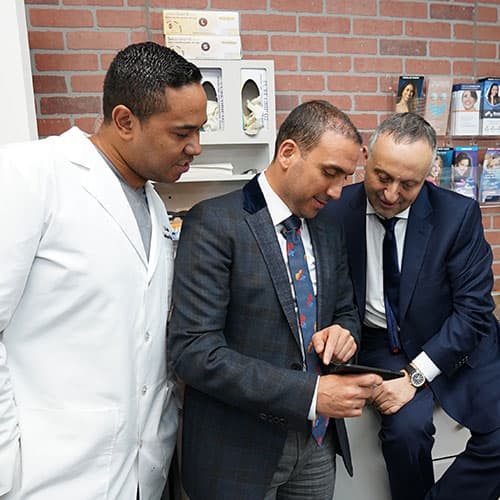
Need a root canal followed by a crown? A post-procedure checkup with your general dentist? Implant planning if the tooth can’t be saved? At Dental Group of Westchester, all of those services exist in the same practice. You never have to coordinate between multiple offices, re-explain your history to a new provider, or figure out who has your X-rays. Everything stays in one place—which means better continuity of care and fewer headaches for you.

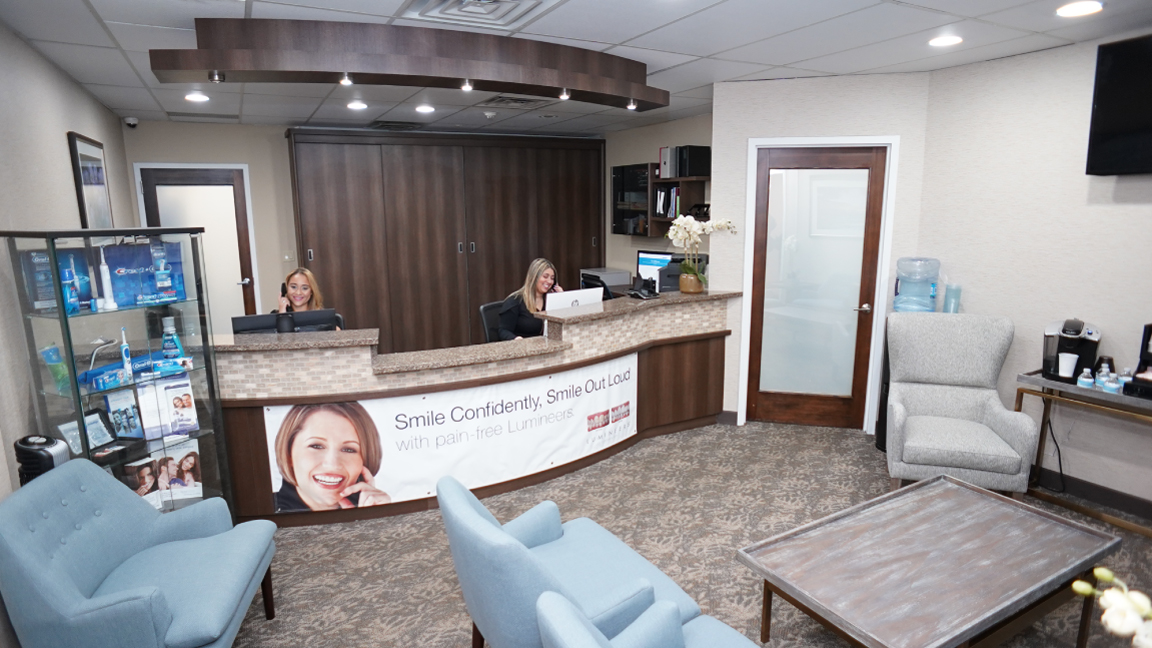
Our team speaks English, Spanish, Russian, and Arabic. If English isn’t your first language, that matters. Dental anxiety is already stressful—not being able to fully communicate your symptoms or understand your treatment options makes it worse. Every member of our team is committed to making sure you feel understood, whatever language you’re most comfortable speaking.
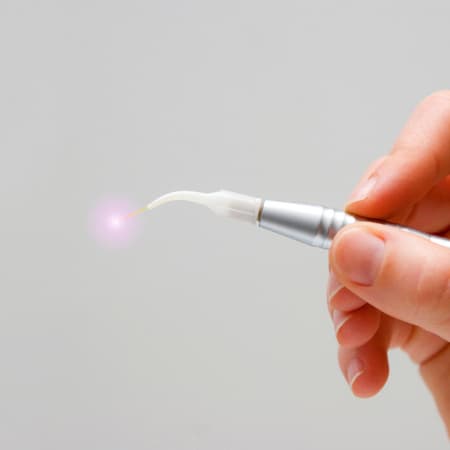
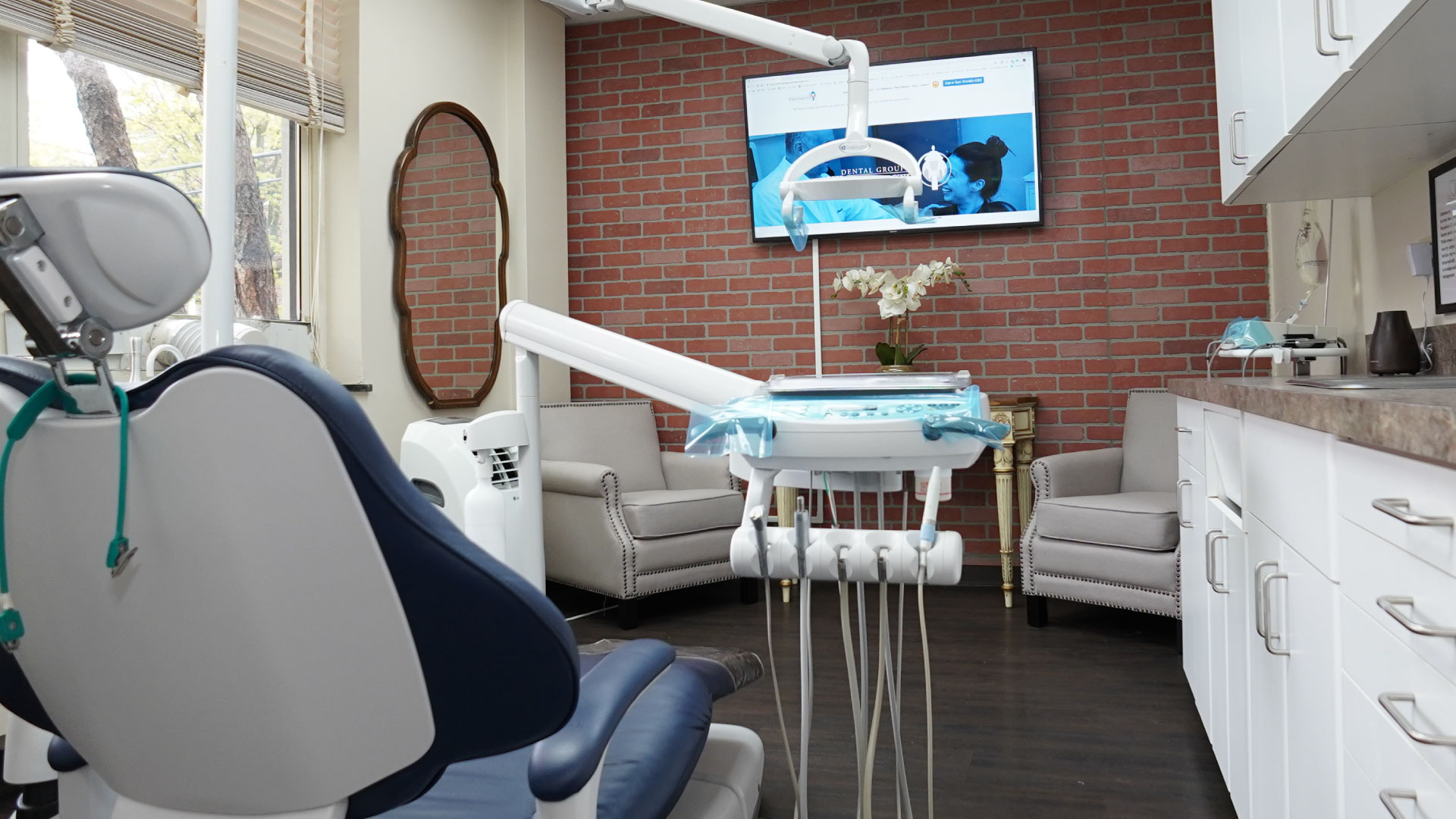
Dental Group of Westchester uses cone-beam computed tomography (CBCT) — the same 3D imaging technology used in specialty endodontic practices — to get a precise picture of your tooth’s root anatomy before treatment begins. Paired with rotary endodontic systems that clean and shape root canals more efficiently than manual instruments, this technology means faster procedures, greater accuracy, and less discomfort during and after treatment.
Root Canal Therapy in White Plains, NY: What to Expect
Root canal. Two words that make most people cringe. But here’s the truth most patients tell us after their procedure: it really wasn’t that bad. Modern root canal treatment — done properly, with the right anesthesia and technique — is no more uncomfortable than getting a filling. The pain you’re in before the procedure is almost always worse than the procedure itself.
Here’s exactly what happens, step by step:
Step 1: Diagnosis and Digital Imaging
Before any treatment begins, Dr. Marsheh evaluates your tooth using digital X-rays and, when needed, CBCT 3D imaging. This gives him a detailed view of the root canal system—how many canals the tooth has, their shape and curvature, and where any infection or damage is located. This step is more important than most patients realize: a precise diagnosis leads to more predictable outcomes and fewer complications.
Step 2: Anesthesia — You Won’t Feel a Thing
The area around your tooth is thoroughly numbed with local anesthesia before anything else happens. If you have dental anxiety, let us know—we have additional comfort options available, including conscious sedation, that allow you to feel deeply relaxed throughout the procedure. Dr. Marsheh’s entire approach is built around ensuring you feel safe and comfortable from the moment you sit down.
Step 3: Accessing and Cleaning the Pulp
A small opening is made in the top of the tooth, giving Dr. Marsheh access to the pulp chamber and root canals. Using precision rotary instruments, the infected or inflamed pulp tissue is carefully removed, and the canals are cleaned, shaped, and disinfected. This is the core of the procedure — it eliminates the source of infection and relieves the pressure that’s been causing your pain.
Step 4: Filling and Sealing the Canals
Once the canals are clean and shaped, they’re filled with a biocompatible rubber-like material called gutta-percha, then sealed to prevent bacteria from re-entering. This sealing step is critical — a proper seal is what makes the difference between a root canal that lasts decades and one that fails within a few years.
Step 5: Restoration — Protecting the Treated Tooth
A root canal removes the infected nerve tissue, but the tooth itself remains — and it needs to be protected. In most cases, Dr. Marsheh will recommend a dental crown to cover and reinforce the tooth after treatment. Since our office handles both endodontics and restorative dentistry, your crown can often be planned and placed without requiring you to schedule a separate appointment at another practice.

How Long Does a Root Canal Take?
Most root canals at our White Plains office are completed in a single appointment lasting 60 to 90 minutes. More complex cases—particularly molars with multiple curved canals or teeth requiring retreatment—may need two visits. Dr. Marsheh will give you a clear timeline after your initial evaluation.
Common Endodontic Services
Dental Group of Westchester offers standard root canal treatment but may not provide a full range of endodontic treatments. Contact our White Plains office to determine which treatment is available. Here are the common endodontic treatments:
Root Canal Therapy (Nonsurgical Endodontic Treatment)
The most common endodontic procedure. We treat infected or inflamed pulp in all tooth types — front teeth, premolars, and molars — including teeth with complex or calcified canal systems that are more challenging to treat.
Root Canal Retreatment
Sometimes a root canal that was performed years ago fails — the tooth becomes re-infected, or healing doesn’t progress as expected. Retreatment involves reopening the tooth, removing the previous filling material, re-cleaning the canals, and resealing. This can save a tooth that might otherwise need to be extracted. If you had a root canal elsewhere and you’re experiencing recurring pain or swelling, come see us before assuming extraction is your only option.
Emergency Endodontic Care
Dental infections don’t follow business hours. If you’re experiencing severe tooth pain, swelling around a tooth, or signs of a dental abscess, contact our office as soon as possible. We do our best to accommodate urgent cases—because a dental infection left untreated doesn’t just cause more pain; it can spread and become a serious health risk.
If you’ve been searching for an emergency root canal near you in White Plains or the surrounding Westchester area, call us at (914) 683-5203.
Endodontic Surgery (Apicoectomy)
In some cases, a nonsurgical root canal isn’t enough — particularly when infection persists at the tip of the root despite treatment, or when the root canal system can’t be accessed from the crown of the tooth due to a post or other restoration. An apicoectomy removes the infected tip of the root and seals the end of the canal from below. It’s a minor surgical procedure that can save a tooth that would otherwise need extraction.
Cracked Tooth Diagnosis and Treatment
Cracked teeth are one of the most frequently missed diagnoses in dentistry. A crack can cause sharp pain when chewing, sensitivity to temperature, and discomfort that comes and goes unpredictably—all without showing clearly on a standard X-ray. Dr. Marsheh uses magnification and advanced diagnostic techniques to evaluate cracked teeth and determine whether endodontic treatment, a crown, or other intervention is the right approach.
Pediatric Endodontics
Children can develop pulp infections too, and saving a child’s tooth — even a baby tooth — matters more than many parents realize. Primary teeth hold space for permanent teeth, support proper jaw development, and affect speech. Dr. Marsheh treats pediatric endodontic cases with the same precision and care he applies to adult patients, adjusted for the specific anatomy and needs of younger patients.
Dental Anxiety and Root Canals: You're Not Alone
Studies consistently show that root canal treatment ranks among the most anxiety-inducing dental procedures—not necessarily because of the experience itself, but because of its reputation. The fear often comes from outdated information, secondhand stories, or a previous bad experience with inadequate anesthesia.
At Dental Group of Westchester, we take dental anxiety seriously—not as something to push through, but as something to address directly before and during your appointment. Dr. Marsheh spent part of his academic career at NYU, specifically researching the relationship between patient anxiety and endodontic outcomes. He knows that an anxious patient who doesn’t feel numb enough or safe enough can’t have a successful procedure—and he designs every appointment with that in mind.
What we offer for anxious patients:
- A thorough pre-treatment conversation about what to expect at every stage
- Local anesthesia techniques that prioritize complete numbness before any instrumentation begins
- Conscious sedation options for patients who need more significant relaxation
- A patient-centered pace — you can pause or ask questions at any point
- A multilingual team, so nothing gets lost in translation
If dental fear has been keeping you from getting care you know you need, please don’t wait until the situation becomes an emergency. A tooth that could have been saved with a root canal today may need extraction six months from now.
Serving White Plains and Surrounding Westchester Communities
Dental Group of Westchester is located in the heart of downtown White Plains at 10 Mitchell Place, Suite #102—easily accessible from across Westchester County with convenient parking nearby.
Dr. Marsheh is the best endodontist near you if you live or work in:
- White Plains, NY
- Scarsdale, NY
- Hartsdale, NY
- Yonkers, NY
- Tarrytown and Sleepy Hollow, NY
- Port Chester, NY
- Rye, NY
- New Rochelle, NY
- Dobbs Ferry and Ardsley, NY
- Harrison and Purchase, NY
- Elmsford, NY
If you’re looking for a dentist in White Plains or a root canal specialist near you in Westchester County, you’re already in the right place. Our office was designed to serve the full community—regardless of background, language, or insurance situation.
Root Canal vs. Extraction: Why Saving Your Natural Tooth Matters
When patients hear they need a root canal, a common reaction is, “Can’t you just pull it?” It’s a fair question—and sometimes extraction is the right answer. But most of the time, saving your natural tooth is significantly better for your long-term dental health. Here’s why.
When a tooth is extracted and not replaced, the jawbone in that area begins to resorb—it literally shrinks. Adjacent teeth gradually drift toward the gap, changing your bite. The opposing tooth may begin to over-erupt. What started as a single extraction can cascade into bite problems, additional tooth loss, and the need for expensive restorative work down the line.
Replacing an extracted tooth with an implant is an excellent solution, but it costs significantly more than a root canal and crown, requires a longer treatment timeline, and still doesn’t replicate all the functions of a natural tooth root. When endodontic treatment can save the tooth, it almost always should.
|
Root Canal + Crown |
Extraction + Implant |
|
|
Preserves natural tooth |
✓ Yes |
✗ No |
|
Maintains jawbone density |
✓ Yes |
Partial (with implant) |
|
Treatment timeline |
1–2 visits |
3–12+ months |
|
Relative cost |
Lower |
Higher |
|
Long-term success rate |
85–97% |
95%+ (implant) |
|
Best for |
Most infected teeth |
Severely damaged teeth |
Frequently Asked Questions
-
Does a root canal hurt?
This is the most common fear and the most common misconception. With proper local anesthesia, the procedure itself is typically painless. You’ll feel pressure, vibration, and movement—but not pain. After the procedure, some soreness for one to three days is normal and manageable with over-the-counter anti-inflammatories. Most patients are surprised by how comfortable the experience actually is.
-
Do I need a referral to see an endodontist at Dental Group of Westchester?
No. You can contact our White Plains office directly at (914) 683-5203 without a referral. If your general dentist has recommended you see a specialist, you’re welcome to bring those X-rays or records—they help Dr. Marsheh prepare—but they’re not required for your first visit.
-
Is a root canal treatment covered by dental insurance?
In most cases, yes — root canal therapy is considered a covered procedure under most dental insurance plans, though coverage levels vary by plan and by tooth type (molars typically cost more and may have a different coverage percentage). Our front desk team will help you verify your benefits before your appointment and explain what your out-of-pocket costs will be. We believe in transparent pricing—no surprises.
-
What's the difference between an endodontist and a general dentist who does root canals?
Both can perform root canals, but an endodontist has two to three additional years of specialty training, performs the procedure far more frequently, and has access to specialized equipment — including dental operating microscopes and CBCT imaging — that most general practices don’t have. For straightforward cases on front teeth, a general dentist may be perfectly appropriate. For complex cases, calcified canals, molar root canals, retreatment, or if your general dentist refers you out, an endodontist is typically the better choice.
-
Do you treat patients with severe dental anxiety?
Absolutely. Dr. Marsheh has spent significant time researching anxiety in endodontic patients and designs every appointment accordingly. We offer conscious sedation for patients who need more than local anesthesia, take extra time to explain each step of the procedure, and will never rush you. If dental fear has been holding you back from necessary care, we want to hear from you.
-
Is an apicoectomy the same as a root canal?
No — an apicoectomy (endodontic surgery) is a different procedure used when a root canal or retreatment hasn’t fully resolved the infection, typically because of complications at the tip of the root. During an apicoectomy, the root tip is surgically removed, and the end of the canal is sealed from the outside. It’s typically a last resort before extraction, and it’s successful in a high percentage of cases when performed by a specialist.
Ready to See an Endodontist Near You in White Plains?
Whether you have acute tooth pain right now, you’ve been referred by your general dentist, or you just want an endodontic specialist in White Plains to evaluate a tooth you’ve been worried about, we’re here and ready to help. Dental Group of Westchester has been serving White Plains and the wider Westchester County community with comprehensive dental care that puts patients first.
You don’t need a referral. You don’t need to travel across Westchester to see a specialist. And you don’t need to be afraid. Call or text us at (914) 683-5203 to schedule your endodontic consultation today. Dental Group of Westchester is located at 10 Mitchell Place, Suite #102, White Plains, NY 10601. We’re open Monday to Friday, 9:00 AM–5:00 PM, and Wednesday evenings until 7:00 PM.