
How Often Should Seniors Visit the Dentist?

Why Regular Dental Visits Matter More With Age
As we get older, maintaining good oral health becomes an increasingly important part of overall wellness. Seniors may experience changes in their teeth, gums, saliva production, and oral tissues that can increase the risk of dental problems.
While the right dental visit schedule depends on your individual needs, many seniors benefit from seeing their dentist regularly rather than waiting until something hurts. Routine appointments allow your dentist to monitor your oral health, identify problems early, and recommend preventive care.
If you’re a senior or helping an older family member maintain their oral health, contact our dental office in White Plains, NY at 914-683-5203 to schedule an appointment.
How Often Should Seniors See the Dentist?
For many seniors, a dental examination and professional cleaning every six months is a good starting point. However, some older adults may need to visit the dentist more frequently.
Your dentist may recommend more frequent appointments if you have:
- Gum disease
- A history of cavities
- Dry mouth
- Dentures or other dental appliances
- Existing dental restorations
- Difficulty maintaining daily oral hygiene
- Certain medical conditions
- Medications that affect saliva production
- Other ongoing oral health concerns
Your dentist can recommend a schedule based on your individual oral health rather than relying on a one-size-fits-all approach.
Why Seniors May Need More Frequent Dental Care
Aging itself does not mean that dental problems are inevitable. However, several factors can make maintaining oral health more challenging as you get older.
Dry Mouth
Dry mouth becomes more common with age and can also be a side effect of many medications. Saliva helps wash away food particles and protect teeth, so reduced saliva can increase the risk of cavities, irritation, and other oral health problems.
If you frequently experience a dry or sticky feeling in your mouth, mention it to your dentist.
Gum Disease
Gum disease can become a significant concern as people age. Early gum disease may cause redness, swelling, tenderness, or bleeding when brushing or flossing.
Without appropriate treatment, gum disease can progress and affect the tissues and bone supporting your teeth.
Regular dental visits allow your dentist to monitor your gums and identify signs of periodontal problems.
Tooth Decay
Older adults can develop cavities just like younger patients. Receding gums can expose portions of the teeth that are more vulnerable to decay, while dry mouth can further increase the risk.
Regular examinations can help your dentist identify cavities before they become larger or more complicated.
Existing Dental Work
Many seniors have fillings, crowns, bridges, implants, or dentures. These restorations can provide years of function, but they still need to be monitored.
During routine appointments, your dentist can check existing dental work and determine whether anything needs repair, adjustment, or replacement.
What Happens During a Senior Dental Visit?
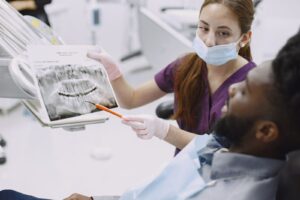
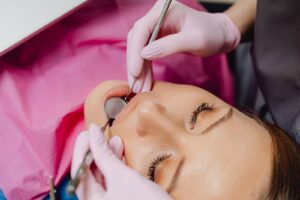
A routine dental appointment typically includes an examination of your teeth and gums, along with a professional cleaning when appropriate.
Your dentist may evaluate for:
- Tooth decay
- Gum disease
- Damaged teeth
- Worn dental restorations
- Oral infections
- Dry mouth
- Changes in the tissues of the mouth
- Problems with dentures or other dental appliances
Depending on your oral health and dental history, your dentist may also recommend dental X-rays or other diagnostic procedures.
These appointments give your dental team an opportunity to identify changes early and recommend appropriate care.
When Should Seniors See a Dentist Sooner?
You shouldn’t necessarily wait for your next routine appointment if you develop a new or concerning dental problem.
Schedule an appointment if you notice:
- Persistent tooth pain
- Bleeding or swollen gums
- A loose or damaged tooth
- Difficulty chewing
- Denture discomfort
- Persistent bad breath
- Dry mouth that is becoming bothersome
- A sore or irritated area in your mouth that doesn’t heal
- Changes in the way your dentures fit
- A damaged filling, crown, or other restoration
Prompt evaluation can help prevent a relatively small problem from becoming more complicated.
Do Seniors With Dentures Still Need Dental Visits?
Yes. Wearing dentures doesn’t eliminate the need for professional dental care.
Your dentist can evaluate the fit and condition of your dentures and examine the tissues of your mouth. Dentures can also become less comfortable over time as the shape of the gums and underlying bone changes.
Regular appointments can help identify:
- Poorly fitting dentures
- Irritation or sore spots
- Broken or worn dentures
- Changes in the gums or oral tissues
- Problems affecting your ability to chew comfortably
Even if you no longer have natural teeth, maintaining good oral health remains important.
How Can Seniors Protect Their Oral Health Between Visits?
Regular dental appointments are only part of maintaining a healthy mouth. Daily habits also play an important role.
Seniors should generally:
- Brush twice daily with fluoride toothpaste
- Clean between the teeth every day
- Clean dentures as directed
- Drink plenty of water
- Follow their dentist’s recommendations
- Avoid tobacco products
- Limit frequent sugary snacks and drinks
- Tell their dentist about medications that may contribute to dry mouth
If arthritis, limited mobility, or another challenge makes brushing or flossing difficult, talk with your dental team. They may be able to recommend tools or techniques that make daily oral care easier.
What If a Senior Has Trouble Getting to the Dentist?
Transportation and mobility can sometimes make regular dental care more difficult for older adults.
If you or a family member has difficulty attending appointments, planning ahead can help. Family members or caregivers may be able to assist with transportation, scheduling, or keeping track of dental recommendations.
Making dental care part of a senior’s regular healthcare routine can help prevent missed appointments and allow problems to be addressed sooner.
Don’t Wait for Dental Pain
One of the most important reasons for regular dental visits is that some oral health problems don’t cause noticeable symptoms right away.
A cavity may not hurt in its early stages. Gum disease can also develop without significant discomfort. By the time pain appears, a problem may require more extensive treatment.
Regular examinations give your dentist an opportunity to look for problems before they become more advanced.
Keep Senior Dental Care on Schedule
So, how often should seniors visit the dentist? For many older adults, every six months is a reasonable starting point, but the ideal schedule depends on individual oral health, medical history, medications, and risk factors.
At Dental Group of Westchester, our team can evaluate your teeth and gums, discuss your concerns, and recommend a dental care schedule based on your needs.
If you’re due for a dental visit or have noticed a change in your oral health, call our dental office in White Plains, NY at 914-683-5203 to schedule an appointment.