

Summer Is Almost Here: 5 Dental Emergencies That Spike in June (And How to Avoid Them)
 by nowmedia
Don’t Let a Dental Emergency Ruin Your Summer — Know What’s Coming
As May winds down and Memorial Day Weekend kicks off the unofficial start of summer, Westchester County residents are gearing up for outdoor cookouts, youth sports leagues, beach trips, and backyard gatherings. It’s one of the most exciting times of year—and, as it turns out, one of the busiest for emergency dental offices.
At Dental Group of Westchester, our team has seen a consistent pattern year after year: dental emergencies spike in June. Between harder summer foods, increased physical activity, and delayed dental care during vacation season, a surprising number of patients find themselves calling us at (914) 683-5203 for same-day emergency appointments when they least expect it.
The good news? Most of these emergencies are preventable. Dr. Simon Roytberg, a trusted White Plains dentist, breaks down the five most common warm-weather dental emergencies—and exactly what you can do to avoid them this season.
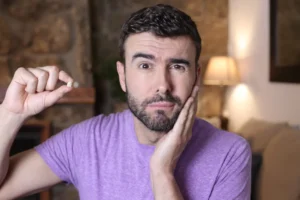
1. Cracked and Chipped Teeth from Hard Summer Foods
Memorial Day Weekend marks the beginning of peak grilling season, and with it comes a parade of tooth-threatening foods: corn on the cob, hard rolls, ribs, ice-cold beverages chewed with ice, and hard candies. Chewing ice is one of the leading causes of cracked teeth in adults—a habit that becomes significantly more common when temperatures rise.
A cracked tooth isn’t just painful — it’s structurally compromised. Depending on how deep the fracture runs, treatment can range from dental bonding to a full crown or, in severe cases, a root canal. Cracks don’t heal on their own, and waiting only gives the fracture time to worsen.
Prevention Tips
- Avoid chewing ice — let it melt in your drink instead.
- Cut corn off the cob before eating, especially if you have existing restorations like crowns or porcelain veneers.
- Be cautious with hard candies, popcorn kernels, and frozen treats like ice pops.
- If you notice a sharp pain when biting down, don’t ignore it — call us right away.
What to Do If It Happens
Rinse with warm water, apply a cold compress to reduce swelling, and avoid chewing on the affected side. Call Dental Group of Westchester at (914) 683-5203 for a same-day evaluation. The sooner we see you, the more treatment options will be available.
2. Knocked-Out Teeth from Sports and Outdoor Activities
June is peak season for youth and adult recreational sports in Westchester—lacrosse tournaments, soccer leagues, baseball games, and pickup basketball. The American Dental Association estimates that athletes who don’t wear mouthguards are 60 times more likely to suffer a dental injury, yet mouthguard use in recreational sports remains low. (Source: The Journal of the American Dental Association)
A knocked-out tooth (avulsion) is one of the most time-sensitive dental emergencies that exists. If you act within 60 minutes, there is a genuine chance that the tooth can be saved and reimplanted successfully. After that window, the chances drop dramatically. Every minute matters.
Prevention Tips
- Always wear a properly fitted mouthguard during contact and semi-contact sports — this includes baseball, basketball, soccer, and cycling.
- Custom-fitted mouthguards from your dentist offer significantly better protection than over-the-counter options.
- Helmets and face shields should be worn where required — don’t skip them for “just practice.”
- Remind young athletes: mouthguards protect against concussions, too, not just teeth.
What to Do If It Happens
Pick up the tooth by the crown (the white part), never the root. Rinse gently with water — no scrubbing. Try to place it back in the socket and bite down softly. If that isn’t possible, keep it in cold milk or between your cheek and gum. Then call us immediately at (914) 683-5203. Our White Plains dentist, Dr. Simon Roytberg, and his team hold time in the schedule for exactly these emergencies.
3. Dental Abscesses Worsened by Dehydration and Heat
Summer heat can lead to dehydration, which in turn significantly reduces saliva production. Saliva is your mouth’s natural defense system—it neutralizes acids, washes away bacteria, and helps prevent infection. When saliva flow drops, bacteria thrive, and existing dental issues like untreated cavities or cracked teeth can rapidly progress into dental abscesses.
A dental abscess is a pocket of bacterial infection that forms at the root of a tooth or in the surrounding gum tissue. The CDC reports that dental conditions — including abscesses and severe infections — account for over 2 million emergency room visits annually in the United States. (Source: American Dental Associates) Most of these visits are preventable with timely dental care.
Left untreated, a dental abscess can spread infection to the jaw, neck, and beyond—making it a genuinely serious medical concern, not just a dental inconvenience.
Warning Signs to Watch For
- Throbbing, persistent toothache that worsens over time
- Visible swelling of the gum, cheek, or jaw
- A bad or bitter taste in your mouth (pus drainage)
- Fever or general malaise alongside tooth pain
- Sensitivity to hot, cold, or pressure
Prevention Tips
- Stay hydrated — drink plenty of water throughout the day, especially during outdoor activities.
- Address known dental issues before summer gets underway. Don’t put off that filling or crown you’ve been delaying.
- Rinse with water after sugary summer drinks like lemonade, iced tea, and sports drinks.
What to Do If It Happens
Do not try to pop or drain the abscess yourself. Rinse with warm salt water to manage discomfort, and call Dental Group of Westchester at (914) 683-5203 immediately. If you develop facial swelling that affects your breathing or swallowing, go to the emergency room first, then follow up with us.
4. Lost Crowns and Fillings from Summer Foods and Sticky Treats
Summer treats are delicious—but taffy, caramel apples, gummy candies, and frozen novelties on sticks are notoriously hard on dental restorations. Sticky and hard foods are among the top culprits for dislodging crowns, pulling out fillings, and cracking older restorations that were already weakened.
Losing a crown or filling might feel like a minor inconvenience, but it exposes the underlying tooth to bacteria, temperature sensitivity, and further structural damage. The longer the tooth goes unprotected, the more complex (and costly) the repair becomes.
Prevention Tips
- Avoid excessively sticky foods—especially if you have crowns, veneers, bridges, or large fillings.
- If a crown feels loose or a filling feels rough, call us before it becomes a full emergency.
- Replace older restorations proactively — crowns and fillings have a lifespan, and getting ahead of failure is always better than a summer emergency.
What to Do If It Happens
If you still have the crown, keep it — we may be able to re-cement it. In the meantime, dental cement from a local pharmacy can temporarily protect the exposed tooth. Avoid chewing on that side. Call us at (914) 683-5203 for a same-day appointment at our office at 10 Mitchell Place, Suite #102, White Plains, NY 10601.
5. Soft Tissue Injuries from Outdoor Accidents and Recreational Activities
Bike rides, pool parties, hiking trails, and backyard games all bring joy — and a higher risk of accidental falls and collisions. Cuts, lacerations, and bruising to the lips, tongue, cheeks, and gums are surprisingly common in early summer and often go undertreated because people assume they’ll heal on their own.
While many soft tissue injuries do resolve with basic first aid, injuries that are deep, bleeding heavily, or accompanied by tooth damage need professional evaluation. What looks like a simple lip cut may involve a tooth root or jawbone that requires imaging to assess properly.
Prevention Tips
- Always wear a helmet during cycling, skating, and scootering — even on short rides.
- Supervise young children near pools and hard surfaces where falls are likely.
- Wear protective gear for high-impact recreational activities.
- Don’t use your teeth as tools—opening bottles, tearing packaging, and holding objects with your teeth are some of the most preventable causes of dental injury.
What to Do If It Happens
Apply firm, gentle pressure with clean gauze or a damp tea bag to control bleeding. If bleeding does not slow within 15–20 minutes, seek care. Call Dental Group of Westchester at (914) 683-5203 if there are any questions about whether a tooth was affected.

Quick Reference: First Aid for Summer Dental Emergencies
Save this to your phone before your summer plans kick in:
- Knocked-out tooth: Hold by the crown, rinse gently, re-implant, or store in cold milk. Call immediately.
- Cracked/chipped tooth: Rinse with warm water, apply a cold compress on the cheek, and avoid chewing on that side. Call the same day.
- Dental abscess: Saltwater rinses; do NOT pop. Call immediately—infections spread.
- Lost crown/filling: Pharmacy dental cement for temporary protection. Call the same day.
- Soft tissue injury: Gauze pressure for 15–20 min. If the tooth is affected or bleeding won’t stop, call or go to urgent care.
Your White Plains Emergency Dentist Is Ready This Summer — Same-Day Appointments Available
Dental emergencies don’t wait for a convenient time — and neither do we. Dr. Simon Roytberg and the team at Dental Group of Westchester offer same-day emergency appointments, including evenings and weekends, so you never have to spend a summer day in unnecessary pain.
We proudly welcome patients in White Plains, Scarsdale, Hartsdale, and Rye, NY, as well as communities throughout Westchester County. Whether this is your first visit or you’ve been a patient for years, you’ll receive the same prompt, judgment-free, expert care.
Don’t let a dental emergency derail your summer. Call or text us at (914) 683-5203 or visit us at 10 Mitchell Place, Suite #102, White Plains, NY 10601. We’re here when you need us most.